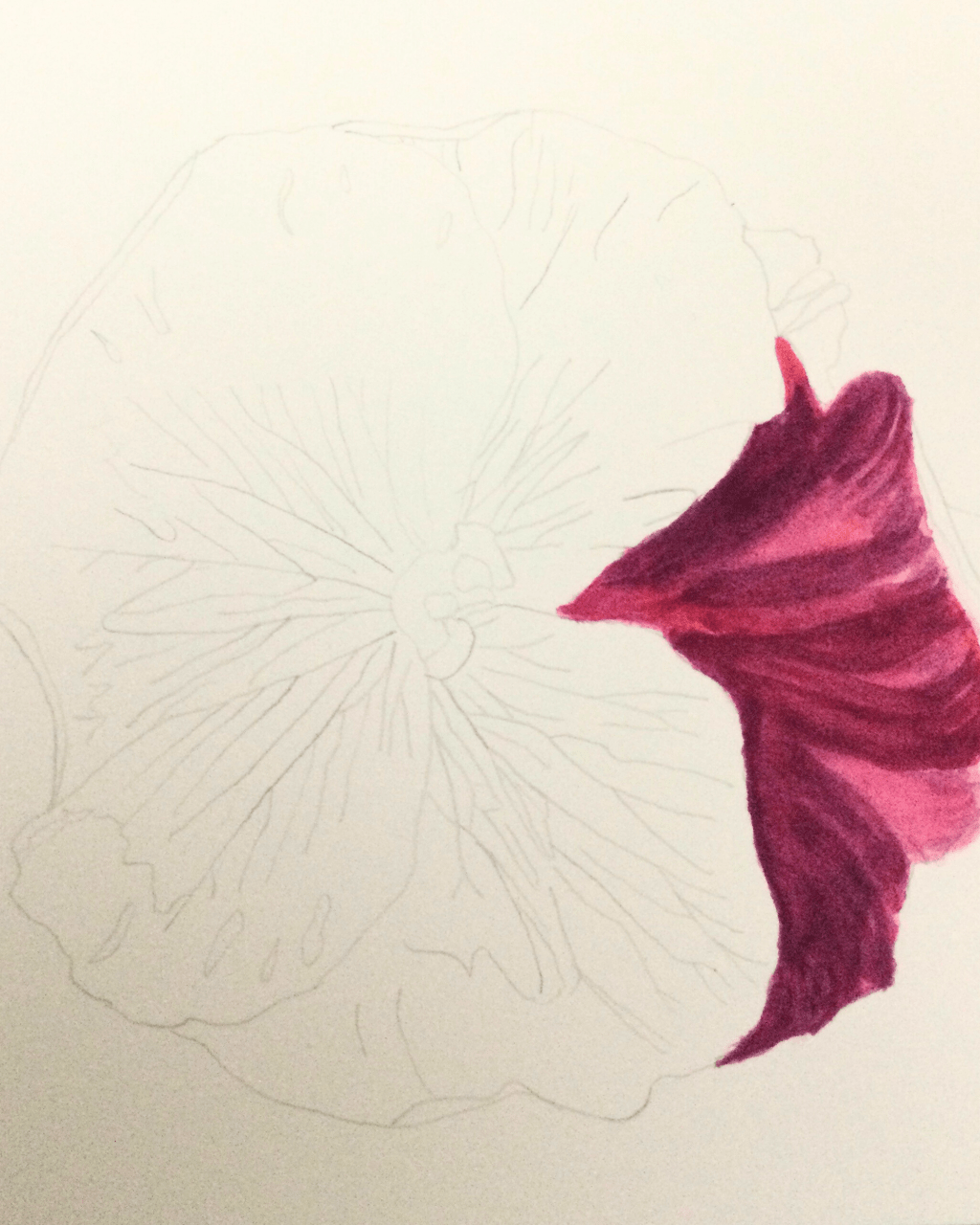
I haven’t painted for well over a week now. It’s mostly been because I had some kind of crud, along with a sinus infection. While I was sick, I didn’t feel up to painting, but even after I started feeling better, I just couldn’t seem to get motivated to get back to my painting table.
As much as I enjoy painting, you’d think it would be easy to just get back in there wouldn’t you? Why is it so hard to stay motivated, especially when we really want to do something?
Does this sound familiar to you? “Why do I have such a hard time staying motivated? I know I need to…. (get back to painting, stop smoking, lose weight, eat better…. you fill in the blank). I started out well but I just can’t seem to stick with it…. “
So many of us have felt like failures when we weren’t able to change whatever behaviors we wanted to change. Even more of us have beaten ourselves up because we thought we just weren’t motivated enough.
The truth is, though, most of the time, motivation just isn’t enough.
What is motivation?
Dictionary.com (1) defines motivation as “the state or condition of being motivated or having a strong reason to act or accomplish something.”Psychology Today (2) defines it as “the desire to act in service of a goal.” As Beata Souders says in her article What Is Motivation? A Psychologist Explains “motivation is a condition inside us that desires a change, either in the self or the environment.”
So if we want to change so badly, you’d think it would be easy to stay motivated, wouldn’t you?
The problem is, motivation is unreliable. We can start out feeling highly motivated, ready to take on the world, but motivation can wax and wane. I’ve definitely experienced this in my watercolor journey so far.
I’ll do well for awhile, then something will happen that temporarily takes me away from it, and it’s hard to get back to my painting table again, even though I really do want to get better and love painting.
Whatever your particular motivation challenge may be, here are some things that can impact whether we can stay motivated or not. Knowing these things can help us take inventory and see if any of them are responsible for our perceived lack of motivation.
What can impact motivation?
There are quite a few things that can impact our motivation, but here are a few of the most common culprits:
The goal or task is not specific enough.
Sometimes we set goals we think are meaningful, but later realize that they don’t really outline exactly what we need to do, when we need to do it, or how we measure whether we’ve been successful. Setting SMART (Specific, Measurable, Achievable, Relevant, and Time-Bound) goals can help us avoid this particular roadblock.
The task is too difficult or too easy.
If we don’t challenge ourselves enough, or if we challenge ourselves too much, we can quickly lose motivation to continue. In his book Atomic Habits (4), James Clear talks about the Goldilocks Rule. This rule “states that humans experience peak motivation when working on tasks that are right on the edge of their current abilities. Not too hard. Not too easy. Just right.”
If we have to do things that we feel are too easy for us, it might feel boring, and therefore, we have a hard time wanting to do them. If we’ve in a position where we absolutely have to do them (maybe some tasks for your job), sometimes it can be helpful to just do those first and get them out of the way.
Conversely, if whatever we’re attempting feels too hard, we can get discouraged and not want to continue. That was one of the topics Alex talked about in The Garden Studio recently. She has set up specific stages that are broken down by skill level. They’re designed to help people grow in their artistic skills while ensuring they’re not attempting things that are too far beyond their skill level and become discouraged.
Having a planned progression like that can also help with our next culprit.
A lack of confidence.
If we don’t feel confident in our abilities, it can seem easier to just give up rather than press on when we encounter difficulties. We may feel motivated, but get stuck when it comes to taking action. Sometimes, the best cure for that is to just go ahead and take the first step. We may not get things perfect at first, but doing something is almost always better than doing nothing.
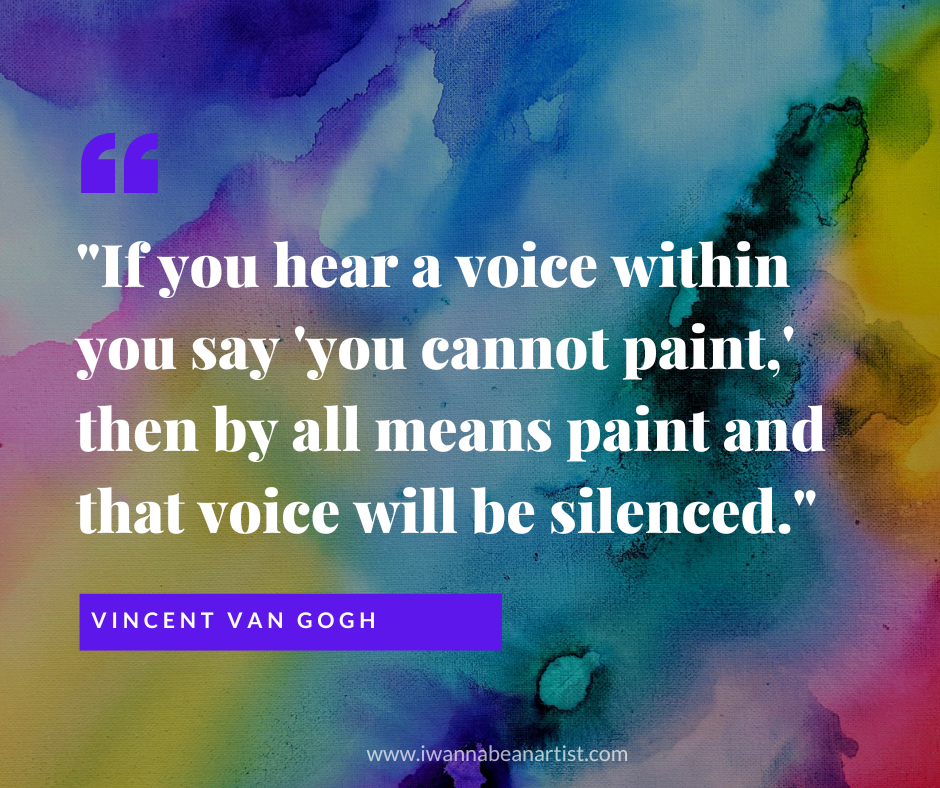
And that brings us to our next pesky little motivation killer….
Perfectionism.
So many of us feel we have to do things perfectly, but that can quickly derail us. I have some experience with this ha ha. The fact is, nobody can do everything perfectly all the time. We don’t expect perfection from others, and we shouldn’t expect it from ourselves.
Sometimes we have to get into the mindset that ‘good enough is good enough,’ adopt a growth mindset, and give ourselves some grace when things don’t turn out the way we expected.
And finally, we can’t talk about a lack of motivation without talking about one potentially serious reason we just can’t seem to get or stay motivated.
Depression.
Because it’s sometimes hard to sustain interest over any length of time when we’re depressed, we may feel unmotivated. Obviously, if we’re dealing with depression, we need to seek help in dealing with the depression itself.
This particular obstacle is often one of those times when motivation just isn’t enough. We may feel motivated to make changes, but feel incapable of actually taking any action.
Why Can’t We Stay Motivated?
With so many variables that can affect motivation, is it any wonder we have a hard time getting and staying motivated?
Although motivation is vital to helping us take steps toward a more fulfilling life, it’s only one piece of the puzzle. In his book Tiny Habits (5), BJ Fogg says,
Here’s the unfortunate thing — most people believe motivation is the true engine of behavior change. Words like ‘rewards’ and ‘incentives’ get thrown around with such regularity that most people think you can create whatever habits you want if you find the right carrot to dangle in front of yourself. This kind of thinking is understandable, but it also happens to be wrong.
BJ Fogg, PhD
Motivation can get us moving in the right direction, but it isn’t always something that can be sustained over time. If you ask any top level athlete, they’ll tell you motivation doesn’t stick around, but habits do.
Building habits — showing up, starting small, stacking those small habits onto each other, and doing it whether we feel like it or not (I’m talking motivation-wise, not illness, etc.), can help us get where we want to go.
That’s true for almost anything we’re trying to improve, whether it’s artistic skills, wellness, or any number of other things.
Every little step helps, no matter how small. For instance, though I didn’t really feel motivated, I finally got around to swatching my newer paints that I’ve had since Christmas. It wasn’t much, but it got me back to my painting table and enjoying moving a little paint around the paper — and it helped me decide on my next project.
If you’re one of the many people who have been beating yourself up because you just ‘didn’t have enough motivation’ to make changes — and I say this with love — it’s time to stop it! Sometimes motivation just isn’t enough. Let’s give ourselves a break, and realize we’re not failing; we’re just in the process of becoming who we want to be.
Have you ever wrestled with a lack of motivation? What are the things that seem to affect your motivation the most? Please share!
Sources:
(2) https://www.psychologytoday.com/us/basics/motivation
(3) https://positivepsychology.com/what-is-motivation
(4) Atomic Habits; 2018; James Clear; Penguin Random House UK; London
(5) Tiny Habits, 2020; BJ Fogg, PhD; Houghton Mifflin Harcourt Publishing; New York


 I Wanna Be An Artist
Leave a reply to Darryl B Cancel reply